The green port guidelines ask every major port to measure, plan and cut its emissions. Here is what that looks like in practice.
The Harit Sagar Green Port Guidelines, issued by the Ministry of Ports, Shipping and Waterways in 2023, set out how Indian ports should reduce their environmental footprint and move towards lower-carbon operations. For port authorities, the guidelines turn sustainability from an aspiration into a planning task with measurable outputs.
Start with a credible baseline
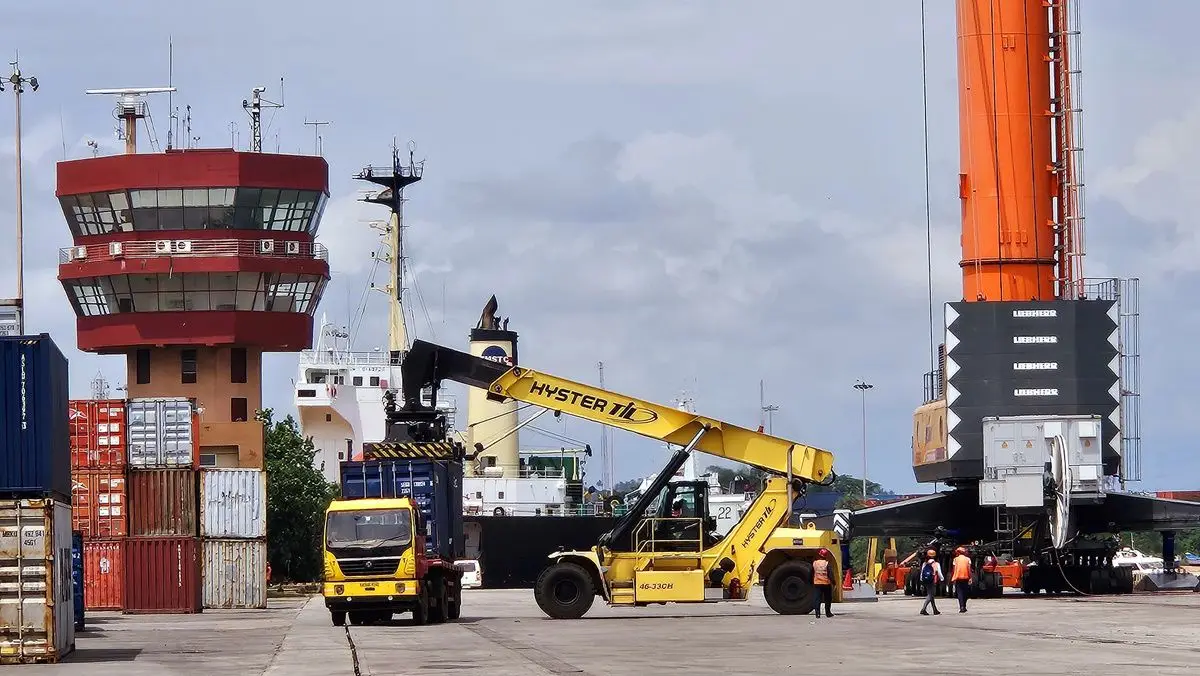
A decarbonisation roadmap is only as good as the inventory beneath it. We use activity-based GHG baselining, aligned with the GHG Protocol and Indian standards, which ties emissions to the equipment, vessels and buildings that produce them. Typical sources include:
- Cargo-handling equipment such as cranes, reach stackers and yard tractors
- Port-owned harbour craft and vessels at berth
- Internal vehicles and logistics movements
- Buildings, lighting and other electrical loads
Learning from ports that went first
Ports such as Los Angeles, Long Beach, Oakland and Rotterdam have spent years electrifying equipment, providing shore power and changing how cargo moves. Their experience helps Indian ports pick measures that work and sequence them sensibly.
Making the roadmap fundable
Electrification and clean-energy projects often need support to be viable. A practical roadmap therefore includes viability-gap funding assessment, the incentives available, and a phased implementation plan that matches investment to operational priorities.
Our work
TMPL has prepared port electrification and decarbonisation studies for Mormugao, New Mangalore and Cochin ports, covering GHG baselining, roadmap development, VGF assessment and phased implementation planning.